



How to Get Your Tampa Pool Ready for Cooler Months
Tampa’s cooler months can be a great time to enjoy your pool—provided your pool heater is ready. Waiting until the first chilly evening to switch on a heat pump can leave you with cold water and an unexpected service appointment.
Preparing your Tampa pool for winter starts with a few straightforward steps: test the heater early, check water flow, clean around the equipment, and make sure your water chemistry is balanced.
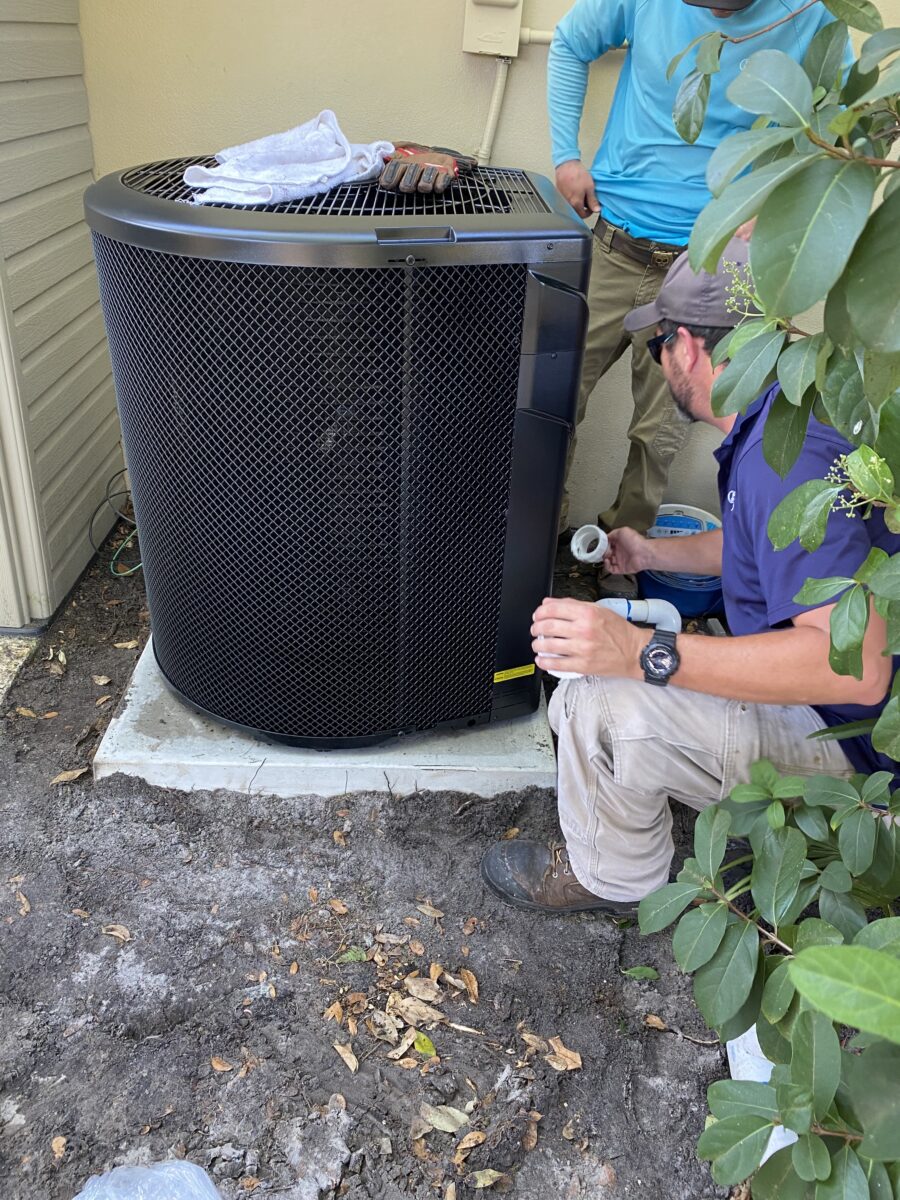
Test your pool heat pump two to four weeks before you expect to need regular heating
When Should Homeowners Test Their Heat Pump?
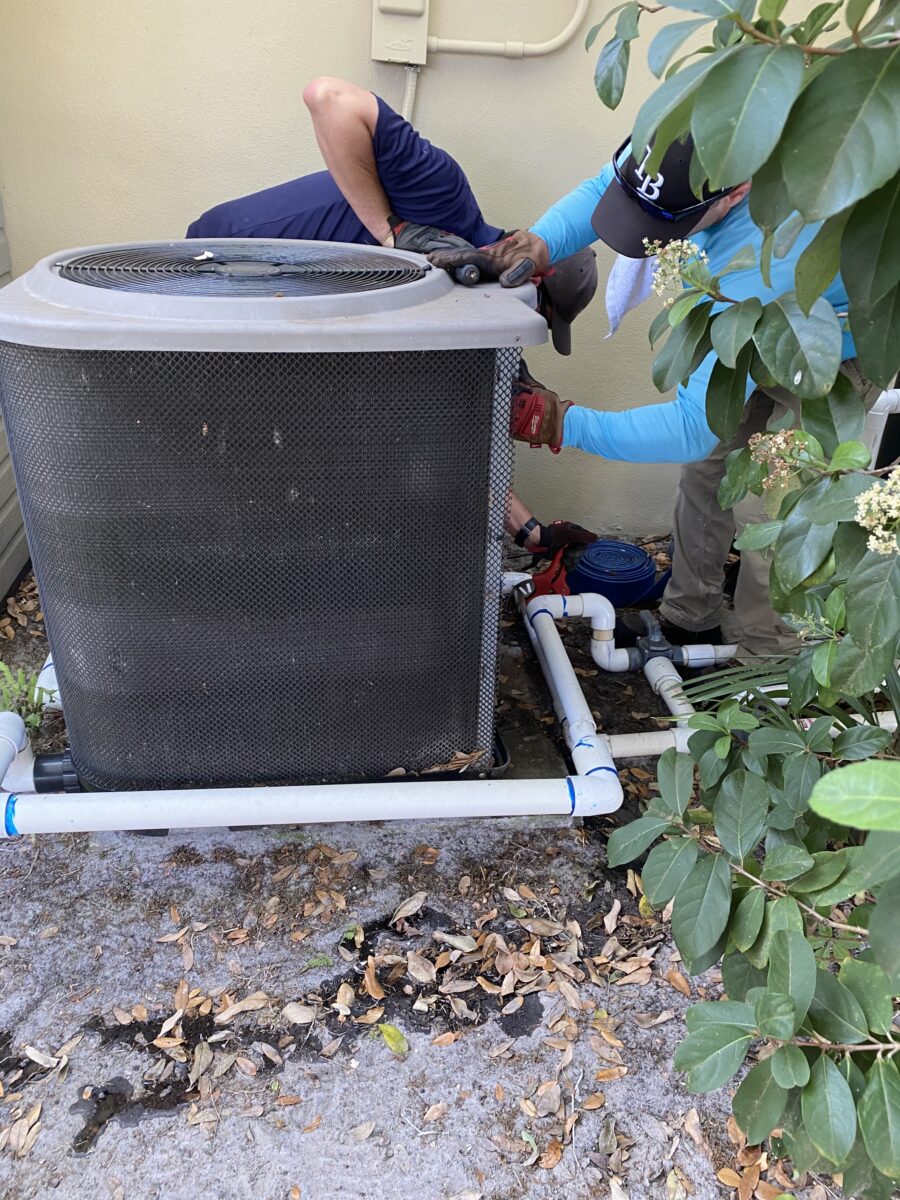
A practical rule is to test your pool heat pump two to four weeks before you expect to need regular heating.
For Tampa homeowners, September or October is a useful reminder to start checking equipment, adjusting that timing to the weather and your swimming plans.
This window gives you time to arrange pool heater maintenance or repairs before you depend on the equipment. It’s a planning recommendation, rather than a manufacturer’s required schedule.
Even if your heater worked well last season, give it a proper test before cooler weather arrives. A dirty filter, restricted airflow, or a control setting can affect whether the system heats as expected.
How to Test Your Pool Heater Before Cooler Weather
Choose a day when outdoor temperatures fall within your heat pump’s operating range, then follow these steps:
- Run the pool circulation pump. Confirm that water is moving normally through the system.
- Select heating mode. If your equipment offers both heating and cooling, make sure it is set to heat.
- Raise the target temperature above the current water temperature. This tells the heater to start heating.
- Allow the startup delay to finish. Some models wait several minutes before starting the compressor.
- Watch for warning signs. Note any error messages, unusual sounds, or repeated shutdowns.
- Check the water temperature over time. Record the starting temperature and check again after several hours of operation.
The goal is to confirm that the heater actually warms the water. A running fan alone does not prove the system is heating properly.
Pool heat pumps work gradually. Pool size, outdoor temperature, wind, heater capacity, and heat loss all affect how quickly the water warms. Don’t wait until guests arrive to start heating a cold pool.
Pool Heater Maintenance to Complete Before Winter
Clear Leaves and Landscaping Around the Heat Pump
An air-source pool heat pump needs airflow to operate properly. Remove leaves and other debris from around the equipment, trim nearby plants, and keep the fan discharge clear.
Follow your model’s specified clearances. Avoid placing storage bins, outdoor furniture, or other items against the heater.
Clean the Filter and Empty Pump Baskets
Good water flow is essential for pool heating. Before regular winter use, empty the skimmer and pump baskets and check whether the filter needs cleaning.
If you have a variable-speed pool pump, its heating schedule and speed need to provide the flow your heater requires. Low flow can prevent heating or cause the unit to shut down. If you’re unsure, have a pool professional check the settings.
Check and Balance Pool Water Chemistry
Balanced water protects your pool and equipment year-round. Before the heating season, check:
- pH
- Total alkalinity
- Calcium hardness
- Sanitizer level
- Salt level, if applicable
Use the ranges specified for your pool finish and equipment. Poor water chemistry can damage heater components, so continue testing during cooler months even if you swim less often.
Inspect the Exterior Coil
Dirt and debris on the heat pump’s exterior coil can restrict airflow. Check your owner’s manual for approved cleaning instructions.
Where the manufacturer permits homeowner rinsing, disconnect power before cleaning and use gentle water pressure. Avoid pressure washers, abrasive tools, and cleaning products not approved for the unit.
Leave internal cleaning, electrical inspections, and refrigerant work to a qualified technician.
Schedule Professional Pool Heater Maintenance
If your annual service is due, schedule it before regular winter heating to allow time to address issues.
A professional inspection should follow the manufacturer’s service requirements and may include checks of:
- Electrical connections and controls
- Fan and compressor operation
- Water flow and plumbing connections
- Signs of leaks or corrosion
- Condensate drainage
- Heating performance
Tell your technician about any error codes, unusual sounds, or changes in heating performance. These details can help identify an intermittent issue.
Keep Your Pool Comfortable During Cooler Months
Getting the heater ready is only part of winter pool care. Keeping the heat in the water also matters.
Use a Pool Blanket Between Swims
A suitable pool blanket helps reduce evaporation and heat loss, especially overnight. This can reduce the amount of heating needed to keep your pool comfortable.
Follow the cover’s instructions for use and storage. A floating solar blanket is not a safety cover.
Adjust Your Heating and Pump Schedules
Your summer pump schedule may not provide enough heating time during cooler weather. A pool professional can help coordinate the heater and circulation pump so the system has time to reach your preferred temperature.
Air-source heat pumps generally perform better when the surrounding air is warmer. Where practical, take advantage of warmer daytime hours while allowing enough runtime for your pool’s needs.
Plan Ahead for Cold Snaps
A pool heat pump has operating limits, and those limits vary by model. Some units reduce output or stop heating when outdoor temperatures fall too low.
Check your heater’s minimum operating temperature and your pool system’s freeze-protection instructions before cold weather arrives. Keeping the water comfortable and protecting equipment from freezing are separate jobs. Don’t assume an operating heater protects every pipe or component.
Signs Your Pool Heater Needs Service
Arrange an inspection if you notice:
- Error messages that return after basic checks
- Repeated starting and stopping
- Unusual grinding, rattling, or other new noises
- Little or no temperature rise after an appropriate heating period
- Persistent icing or suspected water leaks
- A breaker that trips
Some water beneath an operating heat pump can be normal condensation. If you’re unsure whether you’re seeing condensation or a plumbing leak, have it checked.
Avoid repeatedly resetting a tripping breaker or bypassing a heater’s safety controls.
Get Your Tampa Pool Ready Before You Need the Heat
The best time to prepare your pool heater is before cooler nights make it essential. An early test, clean filter, balanced water, and timely maintenance can help you head into Tampa’s cooler months with fewer surprises.
FAQ About Tampa Pool Heater Maintenance
When should I turn on my pool heater in Tampa?
Test it two to four weeks before you expect to need regular heating. September or October is a useful seasonal reminder, but your preferred water temperature and the weather should guide your timing.
How long does a pool heat pump take to warm a pool?
There is no single heating time that applies to every pool. Pool volume, starting water temperature, outdoor conditions, heater capacity, and cover use all affect the result. Allow plenty of time before a planned swim.
Does my pool heater need maintenance if I only use it during winter?
Seasonal use does not eliminate maintenance needs. Follow the manufacturer’s service schedule and check the equipment before putting it back into regular use.
Can I use my Tampa pool heat pump all winter?
That depends on the model and outdoor conditions. Check the unit’s operating range and expect heating performance to change during colder weather. Follow separate freeze-protection guidance for the pool and its equipment.