


High Chlorine Levels & Your Pool
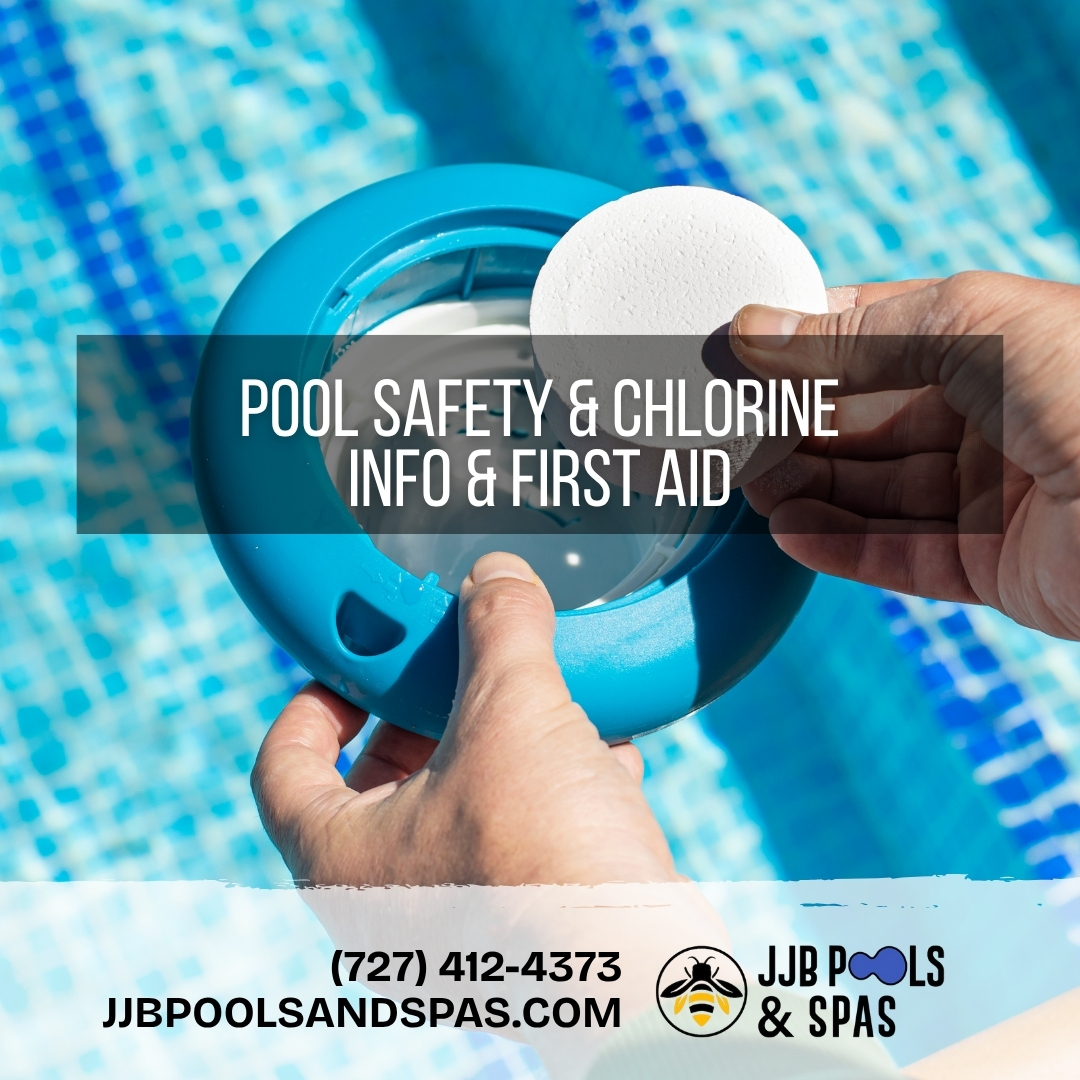
It happens to all of us; we forget to adjust the levels and overcompensate on chlorine, or we have someone watching our house that doesn’t read the maintenance note we left. At some point in time, we all get ready for a swim and find the chlorine higher than desired. What’s the big deal? Can we let it go and fix it later?
When your pool chlorine levels are too high, it can lead to several issues that affect both the quality of your water and the comfort of swimmers. Here’s what can happen:
Skin and Eye Irritation
Rashes and Irritation
High chlorine levels can cause skin rashes, dryness, and irritation. Swimmers may experience discomfort or even allergic reactions.
Red, Burning Eyes
Chlorine can irritate the eyes, leading to redness and discomfort. This is often a common complaint among swimmers in public pools with high chlorine concentrations.
Strong Chlorine Smell
Chloramines Formation
Excess chlorine can lead to the formation of chloramines, which are compounds that can create a strong, unpleasant chlorine smell. Contrary to popular belief, this odor is not due to free chlorine but rather to chloramines indicating that the chlorine is reacting with organic matter like sweat, skin cells, or urine.
Water Clarity Issues
Cloudy Water
High chlorine levels can sometimes lead to cloudiness in pool water. This may occur as chlorine reacts with other substances in the pool, creating byproducts that affect water clarity.
Corrosion
Equipment Damage
Excessively high chlorine levels can be corrosive to pool materials, including metal fixtures, liners, and equipment. This will almost always lead to costly repairs or replacements over time.
Chemical Imbalance
Disruption of Balance
High chlorine can throw off the balance of other pool chemicals. It can affect pH levels, making the water more acidic and creating further challenges in maintaining overall water chemistry.
Increased Chemical Use
Difficulties in Balancing
If chlorine levels are consistently high, it may necessitate additional chemicals to balance pH or lower chlorine levels, leading to more maintenance work and expenses.
What to Do About High Chlorine Levels
If you find that your pool has high chlorine levels, here are some easy steps to mitigate the situation:
Test the Water
Use a reliable testing kit to confirm the chlorine levels.
Dilution
If chlorine levels are very high, the most effective way to lower them is to partially drain the pool and refill it with fresh water.
Let It Breathe
If you don’t want to drain the pool, allow the sun to naturally degrade chlorine; UV rays can help reduce chlorine levels over time.
Use a Chlorine Neutralizer
There are commercial products available that can help lower chlorine levels quickly. Sodium thiosulfate is a common one.
Caution: Avoid Swimming!
Until the chlorine levels return to a safe range (usually 1-3 ppm), it’s best to keep swimmers out of the pool to prevent irritation and discomfort.
Maintaining the right chlorine level is essential for a safe and enjoyable swim experience. Regular testing and proper chemical management will help keep your pool in tip-top shape, ensuring a comfortable environment for everyone!
First Aid for Chlorine Reactions
Skin Irritation or Rash
Symptoms: Redness, itching, burning, or dry, irritated skin.
First Aid:
- Rinse skin thoroughly with clean, cool water for at least 15 minutes.
- Gently wash with mild soap to remove any remaining chlorine.
- Avoid scratching or applying oily lotions right away — use a soothing, fragrance-free moisturizer (like aloe vera or CeraVe).
- If irritation persists or blisters appear, seek medical advice.
Eye Irritation or Redness
Symptoms: Stinging, tearing, redness, or blurred vision.
First Aid:
- Immediately flush eyes with clean, lukewarm water for 15–20 minutes.
- Remove contact lenses (if applicable) while rinsing.
- Do not rub your eyes.
- If pain, blurred vision, or redness continues, get medical attention — chlorine can cause corneal irritation.
Inhalation of Chlorine Vapors or Gas
Symptoms: Coughing, burning throat, chest tightness, shortness of breath, or dizziness.
First Aid:
- Move to fresh air immediately.
- Loosen tight clothing around the neck and chest.
- Sit upright and breathe slowly and deeply.
- If symptoms persist — especially coughing, wheezing, or trouble breathing — call 911 or seek emergency medical care.
- Do not try to “tough it out” — chlorine gas exposure can damage airways.
Ingestion (Swallowing Pool Water or Chemicals)
Symptoms: Nausea, vomiting, burning in mouth or throat, stomach pain.
First Aid:
- Do not induce vomiting.
- Rinse mouth with water and drink small sips of water or milk (only if conscious).
- Call Poison Control (1-800-222-1222) or go to the ER immediately.
- Bring the chemical container or label if possible.
When to Seek Immediate Medical Help
Call 911 or go to the emergency room if:
- Breathing is difficult or worsening.
- There’s swelling of lips, eyes, or throat.
- Eye pain or vision changes persist after rinsing.
- Severe burns or blistering occur.
- Ingestion of concentrated chlorine products is suspected.
Prevention Tips
- Keep pool chlorine levels between 1–3 ppm (residential pools).
- Shower before and after swimming to reduce skin irritation.
- Never mix chlorine products with other cleaners — especially those containing ammonia or acid.
- Store chemicals in a cool, dry, ventilated area away from children and pets.
Download a printer-friendly PDF to keep handy!
JJB Pools & Spas provides expert pool maintenance, pool repair, pool resurfacing, pebble surfacing, and pool renovation across Tampa Bay — serving Largo, Palm Harbor, Dunedin, Belleair, South Tampa, Hyde Park, Palma Ceia, St. Pete Beach, Westchase, Odessa, Nine Eagles, Davis Islands & Clearwater Beach, and surrounding areas. We use only the best pool and spa industry brands, including Wet Edge Technologies, Primera Stone, Prism Matrix, Luna Quartz, Signature Matrix, and Aquabella Tile. JJB Pools is also a platinum warranty station for all Hayward-branded equipment and an expert in Variable Speed Pumps and energy-efficient pool heating. Call for a free estimate! (727) 412-4373