


Wildlife and Pool Cages | Panoramic Pool Cages | General Cost Estimate | Is A Pool Cage Worth It?
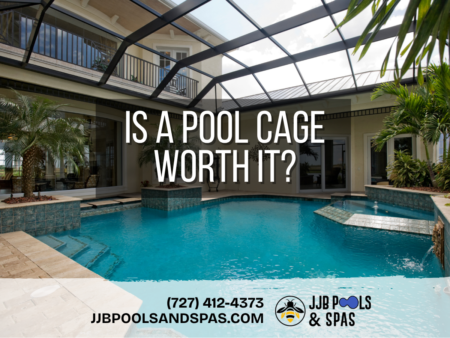
If you live in Tampa Bay and have a pool—or are planning one—you’ve probably asked:
“Is a pool cage really worth it?”
Short answer: For most Tampa homeowners, yes.
But whether it’s worth it for you depends on how you use your pool, your budget, and your tolerance for Florida’s… let’s call it “aggressive” outdoor conditions.
Let’s break it down honestly.
What Is a Pool Cage (Screen Enclosure)?
A pool cage is a screened aluminum enclosure built around your pool and patio area.
It’s designed to:
- Keep bugs out
- Reduce debris
- Create a more usable outdoor space year-round
In Florida, it’s not just a luxury—it’s often considered a quality-of-life upgrade.
The Biggest Benefits of a Pool Cage in Tampa
Bug-Free Swimming
If you’ve lived here long enough, you already know:
- Mosquitoes
- No-see-ums
- Wasps
👉 Without a screen enclosure, your pool time often comes with swatting and itching.
With a pool cage? Game changer.
Less Cleaning, Less Maintenance
Tampa yards = trees, wind, and constant debris.
A pool cage helps block:
- Leaves
- Twigs
- Bugs
👉 That means:
- Less skimming
- Fewer clogged filters
- Lower maintenance overall
More Usable Pool Time
A screened enclosure:
- Reduces harsh sun exposure
- Makes midday swimming more comfortable
- Keeps evenings enjoyable without bugs
👉 You’ll actually use your pool more often, not just look at it.
Added Safety Layer
While not a replacement for proper pool barriers, cages help:
- Deter pets from wandering in (or out)
- Add an extra boundary for kids
- Create a defined, enclosed space
Most people think of pool cages as a comfort upgrade—but in Florida, they quietly do something just as important:
👉 They help protect local wildlife from accidental harm.
Here’s how.
Prevents Animals from Falling Into the Pool
In Tampa Bay, it’s common for small animals to end up in pools:
- Frogs
- Lizards
- Snakes
- Small birds
- Turtles
- Rabbits
Without an enclosure, they can:
- Fall in and struggle to get out
- Become trapped in skimmers
- Exhaust themselves and drown
👉 A pool cage acts as a physical barrier, reducing these accidents significantly.
Keeps Wildlife Out of the Pool System
Animals don’t just fall into pools—they get pulled into equipment.
A screened enclosure helps prevent:
- Skimmer entrapment
- Filter system contamination
- Injury or death from being trapped
👉 This protects both wildlife and your pool equipment.
Reduces Chemical Exposure to Animals
Pool water contains chemicals that aren’t safe for wildlife.
When animals enter pools:
- They’re exposed to chlorine and treated water
- Their natural skin or feathers can be affected
- It can disrupt local ecosystems (especially for amphibians)
👉 Keeping animals out = less unintended harm.
Creates a Safer Outdoor Boundary
A pool cage helps define a clear, enclosed space, which:
- Discourages animals from wandering into the area
- Reduces curiosity-driven accidents
- Helps guide wildlife around—not through—your pool zone
Reduces Nighttime Attraction
Pools can attract animals at night:
- Reflections look like natural water sources
- Lights draw insects → which attract frogs, geckos, and birds
A screen enclosure:
- Disrupts that access
- Reduces the “invitation effect”
👉 Less attraction = fewer risky encounters.
Helps You Notice and Respond Faster
If wildlife does get inside:
- It’s contained in a smaller area
- Easier to spot and safely guide out
👉 That means quicker intervention and better outcomes.
Important Reality Check
A pool cage doesn’t make your yard wildlife-proof.
- Tiny insects can still get through
- Small gaps or doors left open can allow entry
- Some animals may still find their way inside
👉 But it dramatically reduces the frequency and risk of harmful encounters.
Boosts Home Value in Florida
In Tampa Bay, buyers often expect:
✔️ A pool
✔️ A screened enclosure
👉 Not having one can actually feel like a missing feature.
The Downsides (Let’s Be Honest)
It’s an Investment
Typical Tampa pricing:
- $15K–$30K for standard enclosures
- $30K–$60K+ for panoramic designs
👉 It’s not cheap—but it’s long-term value.
A panoramic pool cage (often called a picture window enclosure) is a type of screened pool enclosure designed with fewer vertical supports and larger screen panels—so your view stays open and unobstructed.
👉 Think: clean sightlines, more sky, less “cage” feeling.
What Makes It Different from a Standard Pool Cage?
Standard pool cage:
- More vertical aluminum posts
- Smaller screen sections
- More “grid-like” look
Panoramic pool cage:
- Wider spans between supports
- Large, open screen panels
- Minimal vertical bars across the back wall
👉 The goal is simple: maximize your view of the water, yard, or preserve.
Why Tampa Homeowners Are Choosing Panoramic Designs
✔️ Better Views
If you have:
- Water views
- Landscaping
- A nice backyard setup
A panoramic cage keeps it visible instead of chopped up by bars.
✔️ More Modern Look
These enclosures feel:
- Cleaner
- Higher-end
- Less visually cluttered
👉 They instantly upgrade the look of your entire outdoor space.
✔️ More Natural Light
Fewer structural elements =
- More sunlight
- Brighter pool area
The Trade-Offs (Real Talk)
Higher Cost
Panoramic cages typically cost more because:
- Stronger beams are required
- Wider spans need more engineering
👉 Expect to pay a premium over standard enclosures.
Structural Limits
You can’t remove all supports—Florida wind codes still apply.
- Some framing is still required
- Design depends on size, height, and layout
Not Hurricane-Proof
Same as standard cages:
- Built to code
- Not indestructible in major storms
Is It Worth It?
👉 If your backyard view matters—or you hate the “screen grid” look—yes, it’s absolutely worth it.
👉 If you just want basic bug protection at the lowest cost, a standard cage will do the job.
Bottom Line
A panoramic pool cage gives you:
✔️ Open, unobstructed views
✔️ A modern, upgraded look
✔️ The same bug protection as a standard enclosure
With fewer visual barriers, your pool area feels less like it’s enclosed—and more like it’s part of your natural outdoor space.
Storm & Hurricane Reality
This is where expectations matter:
- Pool cages are engineered for wind resistance
- But they are not hurricane-proof
Strong storms can:
- Tear screens
- Bend frames
- Require repairs
👉 Think of it as durable—but not indestructible.
Screen Maintenance Over Time
- Screens may need replacing every 5–10 years
- Small tears can happen (pets, debris, wear)
It Changes the “Open Sky” Feel
Some homeowners don’t love:
- The framed look
- Reduced open-air aesthetic
👉 That’s why panoramic cages are becoming more popular (fewer bars, cleaner view).
So… Is a Pool Cage Worth It in Tampa?
Here’s the honest breakdown:
✔️ It’s Worth It If You:
- Want to actually enjoy your pool without bugs
- Are tired of constant cleaning
- Plan to stay in your home long-term
- Value convenience and usability
❌ It Might Not Be Worth It If You:
- Rarely use your pool
- Want a completely open, unobstructed yard
- Don’t want to deal with occasional screen repairs
What Most Tampa Homeowners End Up Saying
After installing a pool cage, the most common feedback is:
👉 “We should have done this sooner.”
Because the difference isn’t subtle—it completely changes how you use your outdoor space.
Work With a Tampa Pool & Outdoor Expert
At JJB Pools & Spas, we help Tampa Bay homeowners design outdoor spaces that actually work for Florida living—from pool remodels to enclosure planning.
Whether you’re adding a pool cage or upgrading your existing setup, we’ll help you:
- Maximize comfort
- Improve usability
- Plan for long-term durability
📍 Serving Tampa Bay and surrounding areas
FAQ
Yes. Pool cages are extremely common in Tampa due to bugs, debris, and year-round pool use.
Aluminum frames can last decades, while screens typically need replacement every 5–10 years.
Yes. They significantly reduce leaves, bugs, and debris, lowering maintenance needs.
They are built to meet wind codes but are not hurricane-proof and may require repairs after major storms.
Yes. Many buyers expect them, and they can increase usability and perceived value.