


Smart Pool Remodeling Upgrades That Protect Your Investment
Should You Throw Patio Furniture in the Pool Before a Hurricane? (Tampa Homeowners Guide)
When a storm is heading toward Tampa Bay, homeowners start scrambling to protect everything outdoors—including patio furniture.
One of the most common questions we hear is:
👉 “Should I throw my pool chairs into the pool so they don’t blow away?”
It might sound like a smart shortcut… but in most cases, it’s a mistake that can cause expensive damage.
Why People Put Furniture in the Pool Before a Storm
The idea is simple:
- Water weighs things down
- Keeps furniture from becoming airborne
- Prevents damage to your home or your neighbor’s property
And yes—during strong storms, loose furniture can absolutely become dangerous projectiles.
But here’s where things go wrong.
Why You Should NOT Put Patio Furniture in the Pool
Most Furniture Floats (and Moves Violently)
Even heavy-looking chairs aren’t heavy in water.
Once in the pool, they:
- Float
- Slam into pool walls
- Hit tile, coping, and equipment
👉 You’ve now created debris inside your pool, not prevented it.
You Can Damage Expensive Pool Finishes
Pool interiors and tile aren’t built for impact.
Floating furniture can cause:
- Scratches in plaster or finishes
- Cracked or chipped tile
- Damage to pool lights and skimmers
👉 These repairs often cost more than replacing the furniture.
Cushions Become Waterlogged and Ruined
If your chairs have cushions:
- They soak up water fast
- Become extremely heavy
- Grow mold quickly in Florida’s humidity
👉 They’re almost always a total loss.
Metal Frames Can Cause Hidden Damage
Aluminum or steel frames can:
- Scratch surfaces
- Leave marks or stains
- Damage delicate pool features
What Tampa Homeowners Should Do Instead
✔️ Bring Furniture Indoors (Best Option)
Garage, lanai, or inside your home = safest move.
✔️ Secure or Anchor Items
- Use straps, bungee cords, or weights
- Group furniture together to reduce wind lift
✔️ Flip Furniture Upside Down
This reduces wind resistance and keeps items from catching gusts.
✔️ Remove and Store Cushions
Always bring cushions inside—no exceptions.
The Bottom Line
Putting patio furniture in your pool before a hurricane might sound like a clever trick—but in reality:
👉 It often causes more damage than it prevents.
If you want to protect your Tampa home and pool:
- Secure or store furniture properly
- Keep your pool intact and balanced
- Plan ahead—not last minute
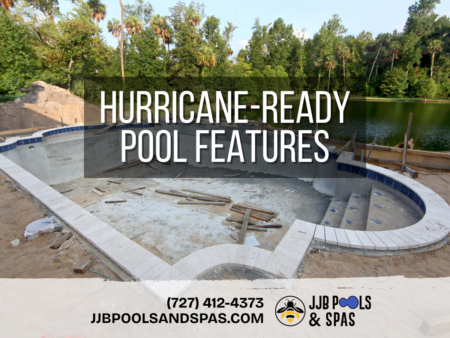
If you live in Tampa Bay, you already know—hurricane season isn’t a maybe, it’s a when.
And while most homeowners think about shutters and generators, your pool is one of the most overlooked (and vulnerable) parts of your property.
The good news?
2026 pool remodeling trends are shifting toward storm-resistant, low-maintenance, and damage-reducing upgrades—so your pool doesn’t become a liability when severe weather hits.
If you’re planning a pool remodel this year, here are the top hurricane-ready features Tampa homeowners are prioritizing.
| Advanced Pool Drainage Systems | One of the biggest mistakes homeowners make before a storm? Draining their pool incorrectly—or not managing overflow at all. Modern remodeling upgrades include: Overflow drainage systems Deck drains that move water away from your home Auto-leveling systems to prevent flooding 👉 Why it matters: Too much or too little water can damage your pool structure during a storm. |
| Durable, Storm-Resistant Pool Decking | Not all pool decks are built for Florida weather. In 2026, Tampa homeowners are upgrading to: Travertine pavers (non-slip + heat resistant) Textured concrete coatings Interlocking pavers (less cracking during ground shifts) 👉 Why it matters: Loose or slippery surfaces become dangerous fast during heavy rain and wind. |
| Equipment Protection & Elevated Pool Pads | Your pool equipment is one of the most expensive parts to replace after a storm. Smart remodel upgrades include: Raised equipment pads (to prevent flood damage) Protective enclosures or covers Strategic placement away from runoff zones 👉 Why it matters: Floodwater + electrical equipment = costly repairs (or full replacement). |
| LED Pool Lighting (Safer + More Resilient) | Older pool lighting systems are more prone to failure during storms. 2026 upgrades focus on: Energy-efficient LED systems Sealed, longer-lasting fixtures Smart controls for quick shutoff before storms 👉 Bonus: LED systems are more durable and easier to maintain long-term. |
| Wind-Resistant Landscaping & Pool Design | This is where remodeling goes beyond the pool itself. Homeowners are choosing: Low-debris landscaping (fewer falling branches) Strategic placement of features to reduce wind impact Simplified pool designs with fewer fragile add-ons 👉 Why it matters: Less debris = less cleanup and less surface damage. |
| Pool Resurfacing with Stronger Finishes | If your pool surface is aging, a storm can make it worse. Top 2026 resurfacing choices include: Pebble finishes (more durable than traditional marcite) Longer-lasting materials that resist cracking and wear 👉 Why it matters: A strong surface helps your pool withstand pressure changes and debris impact. |
| Variable-Speed Pumps & Smart Shutoff Systems | Power outages are common during storms—and outdated equipment doesn’t handle them well. Upgrades include: Variable-speed pumps (energy-efficient + more durable) Automation systems for quick shutdown Better system control before and after storms 👉 Why it matters: Protect your system before damage happens—not after. |
| Safety Features for Post-Storm Use | After a storm passes, your pool area can still be hazardous. Remodeling upgrades often include: Slip-resistant surfaces Handrails and wider steps Better nighttime visibility with upgraded lighting 👉 Why it matters: Safety doesn’t stop when the storm does. |
What should I do to my pool before a hurricane in Tampa?
Keep your pool filled to normal levels—never drain it completely. Turn off power to pool equipment, secure or remove loose items, and consider lowering the water slightly to allow for heavy rainfall. Proper preparation helps prevent structural damage.
Can a pool be damaged during a hurricane?
Yes. Hurricanes can cause damage from flooding, debris, shifting ground, and power surges. Pool equipment, decking, and surfaces are especially vulnerable without proper preparation or upgrades.
What pool features help prevent hurricane damage?
The most effective upgrades include proper drainage systems, elevated equipment pads, durable decking materials, and strong resurfacing finishes like pebble. These features help your pool withstand heavy rain, flooding, and debris.
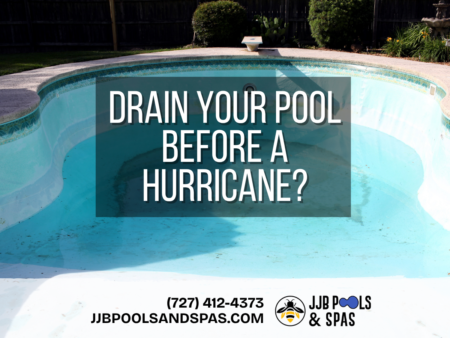
Should you drain your pool before a hurricane?
No. Draining your pool can cause serious structural damage due to ground pressure and water table changes—especially in Florida. It’s best to keep water levels balanced and managed.
What is the best pool decking for hurricane-prone areas in Florida?
Travertine, textured concrete, and interlocking pavers are top choices. They are slip-resistant, durable, and better able to handle heavy rain and shifting conditions.
How can I protect my pool equipment from flooding?
Elevate equipment on raised pads, install protective covers or enclosures, and position systems away from low-lying areas. These steps reduce the risk of water damage during storms.
Is it worth upgrading a pool for hurricane protection?
Yes. Hurricane-ready upgrades can prevent costly repairs, extend the life of your pool, and improve safety. In storm-prone areas like Tampa, these improvements are a smart long-term investment.
Do pool screens or enclosures protect during hurricanes?
They can help reduce debris, but many enclosures are not designed to withstand hurricane-force winds. Some homeowners choose reinforced or removable options as part of a remodel.
What happens to pool water during a hurricane?
Heavy rain can raise water levels quickly, while debris and contaminants may enter the pool. Proper drainage and post-storm cleaning are essential to restore safe water conditions.
Draining sounds logical, but in Florida, it can backfire fast:
- High water table (Tampa especially) → groundwater can push your pool up (yes, pools can literally pop out of the ground)
- Hydrostatic pressure can crack or damage the shell
- You lose the structural weight that keeps everything stable
👉 Bottom line:
An empty pool is more vulnerable than a full one.
What You SHOULD Do Instead
Keep Water at Normal Level (or Slightly Lower)
- Lower it just a few inches below the skimmer
- This helps handle heavy rain without overflow damage
Turn Off Power to Equipment
- Shut off pumps, heaters, and automation systems
- Prevents electrical damage or surges
Protect Equipment
- If possible, cover or elevate the equipment
- Move anything portable to higher ground
Remove Loose Items
- Furniture
- Toys
- Pool accessories
👉 These turn into projectiles in high winds
Don’t Worry About Pool Water Getting Dirty
- Debris can be cleaned later
- Structural damage is the real risk
Quick Rule to Remember
👉 Full pool = protected structure
👉 Empty pool = major risk
Pro Tip (This is what most people miss)
If your pool already has:
- Good drainage
- Strong decking
- Elevated equipment
…it’s going to handle storms much better.
That’s why a lot of Tampa homeowners are now remodeling with hurricane-ready features built in.
Is It Worth Making Your Pool Hurricane-Ready?
Short answer: Yes—especially in Tampa.
A hurricane-ready pool remodel can:
- Reduce costly storm damage
- Extend the life of your pool and equipment
- Improve safety for your family
- Increase overall property value
And most importantly—
👉 It gives you peace of mind when storm season rolls in.
Best Hurricane-Ready Pool Upgrades for Tampa Homeowners
If you’re remodeling your pool in the Tampa Bay area, prioritize:
- Drainage + water management
- Durable decking materials
- Elevated and protected equipment
- Energy-efficient systems
- Low-maintenance, storm-smart design
Thinking About Remodeling Your Pool Before Storm Season?
The best time to upgrade your pool for hurricane season is before the first storm is on the radar.
At JJB Pools & Spas, we help Tampa homeowners design pools that are:
✔️ Beautiful
✔️ Functional
✔️ Built to handle Florida weather
👉 Contact us today to start planning your hurricane-ready pool remodel.
Do not drain your pool completely. Maintain proper water levels, turn off electrical equipment, and secure loose items around the pool area.
Key features include proper drainage systems, durable decking, elevated equipment pads, and strong resurfacing materials.
Yes. Tampa homeowners benefit from reduced damage risk, lower repair costs, and improved long-term durability.
Travertine, textured concrete, and interlocking pavers are popular choices because they are durable, slip-resistant, and handle weather shifts well.
Yes. Elevating equipment, using protective enclosures, and strategic placement can significantly reduce flood damage risk.